

about urban ecology conservatory

“You have to act as if it were possible to radically transform the world. And you have to do it all the time.”-Angela Davis
Core
Values




Core
Tenets
-
Transforming abandoned malls—like the Hawthorne Mall—into regenerative spaces that foster community, connection to our urban ecology, and wellness through, indoor agriculture, cultural programs, and more.
These new community hubs would include:
Affordable Housing
Urban Ecology Library, Seed Bank, Tool Library
Urban Agriculture, Green Walls, Natural Pools
Art Studios, Fab Lab, Music & Dance Spaces
Child/Elder Care, Play & Recreation
Small Business Incubators, Co-Working Spaces, Commercial Kitchen
-
Using the empty Hawthorne Mall in southern California as a template, we want to transform fallow infrastructure into affordable housing, provide workforce development opportunities, environmental education and recreation opportunities, indoor agriculture and small business development.
Carbon Sequestration & Green Cooling Centers
Workforce Development & Local Economic Stimulus
Community Improvement & Capacity Building
Integrative Environmental & Social Health
-
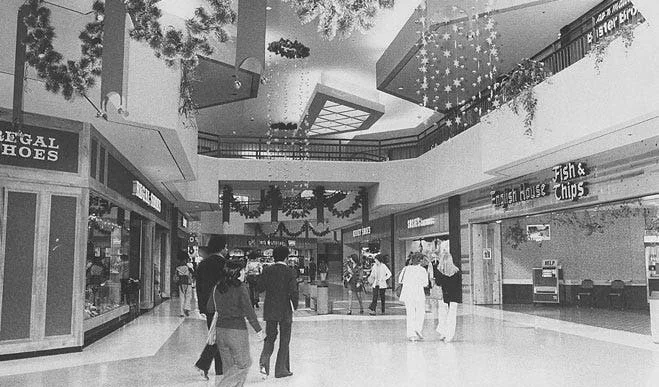
The American mall, originally envisioned by architect Victor Gruen as community-focused mixed-use hubs, has largely failed to fulfill that promise. Today, over 350 malls have shuttered since 2005, offering us a rare opportunity to reimagine these spaces.
Let’s replace consumption with connection. These structures can become places of learning, creation, healing, and growth—centers of art, ecology, culture, and resilience. The Urban Ecology Conservatory reclaims these landscapes as modern temples of nature, education, and vibrant third spaces.
-
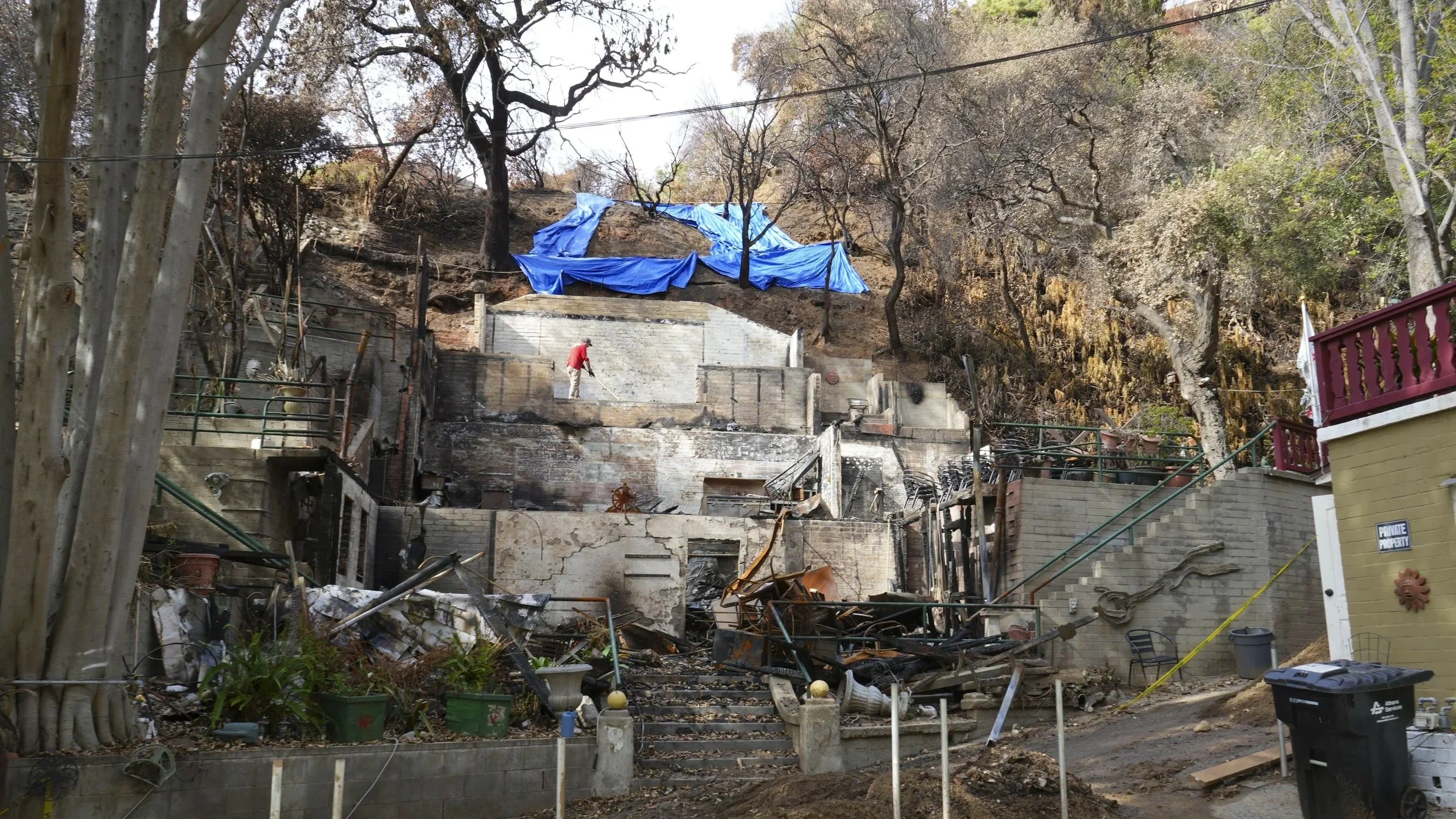
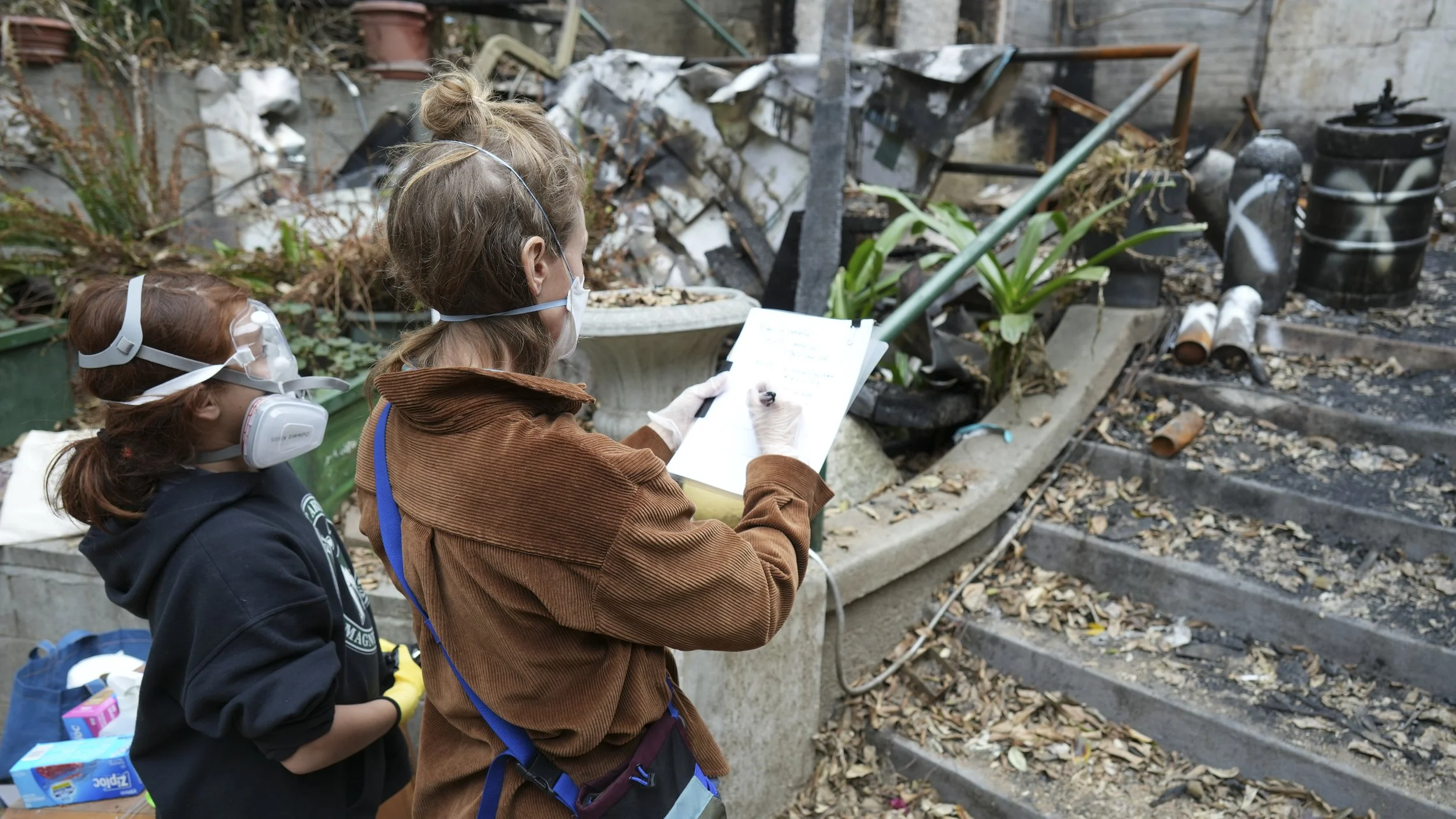
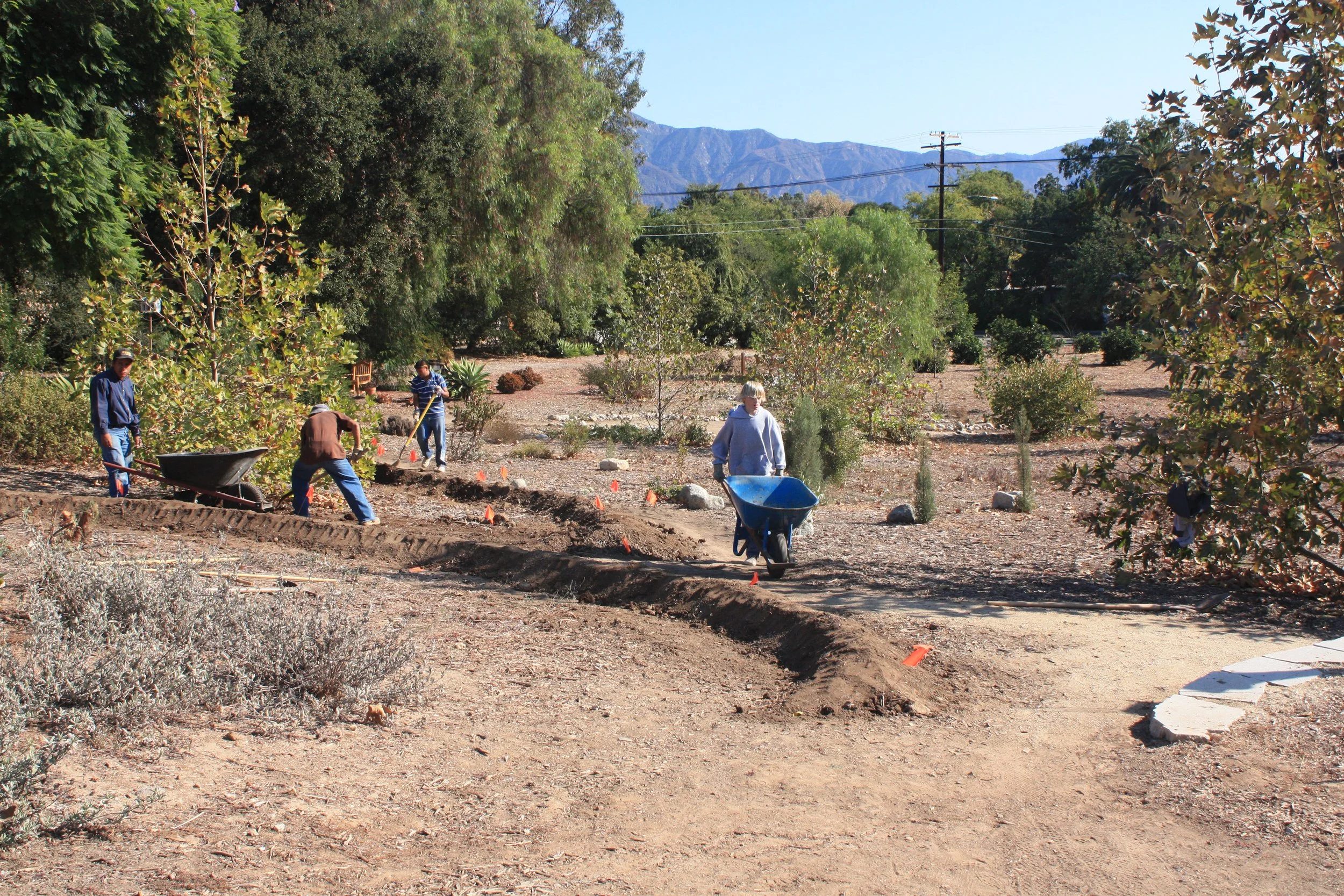
Greenstone Farm Soil Testing & Remediation (Eaton Fire)
Contemporary Hanging Gardens of Babylon: build healthier cities by transforming abandoned malls into regenerative spaces that foster community.

Letter from Our Founder
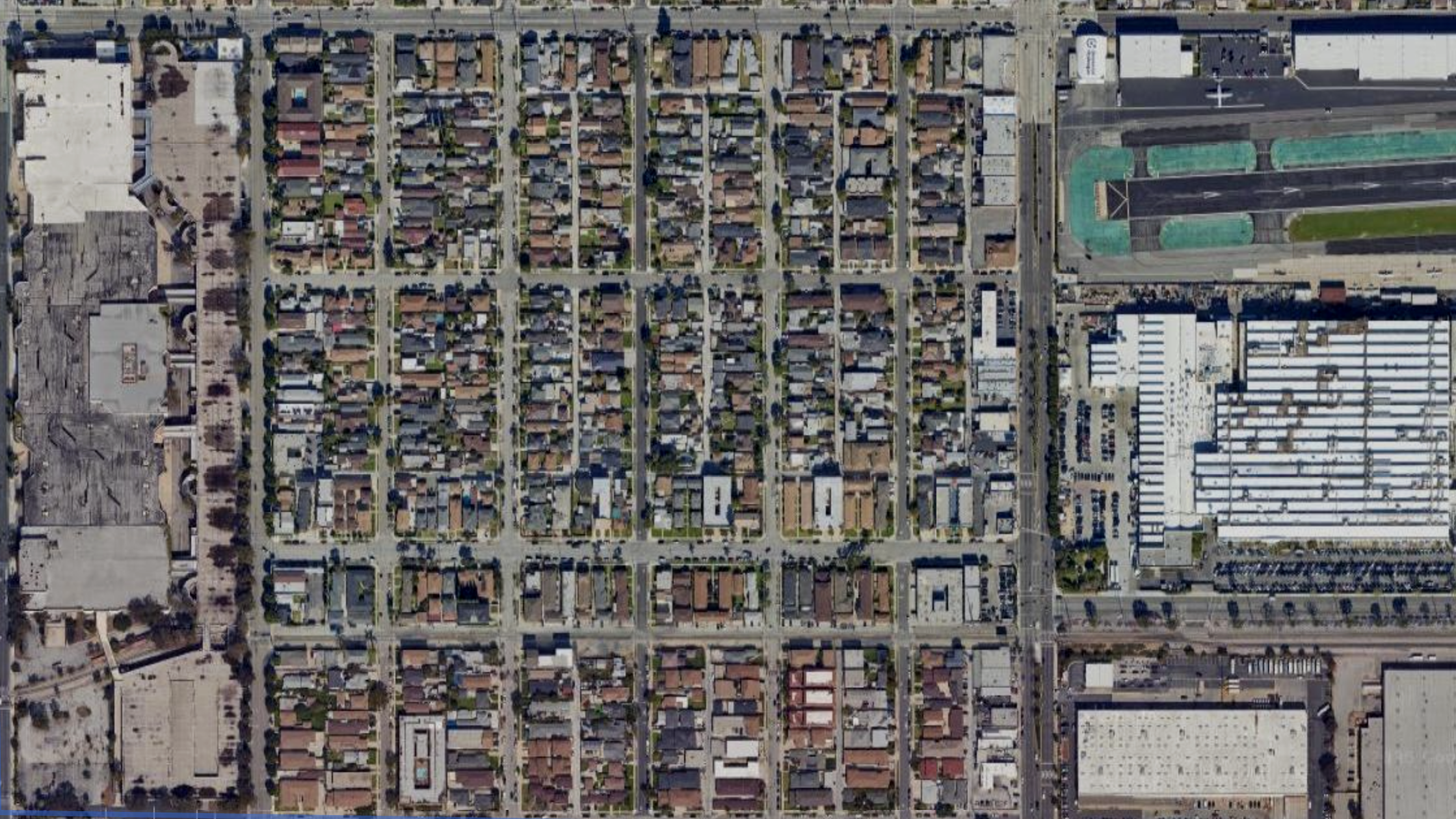
More than half of the world’s population lives in cities. I grew up moving between very different urban landscapes—attending high school in West Los Angeles, spending time with friends in the hills of Dana Point and Beverly Glen, and returning home to my family’s house in Hawthorne, California.
I noticed early on that the quality of landscape differed dramatically. In Santa Monica and Beverly Hills, the streets were shaded by mature established urban street trees. I loved the crisp, autumnal scent of the Santa Ana winds mingled with the oaks, eucalyptus and pine trees. When I went camping for the first time in the Angeles National Forest, I was enchanted by the twisted umber bark of the Bigberry Manzanita (Arctostaphylos glauca). While, at home, the air smelled mostly of airplane fuel from the nearby Hawthorne airport.
My first job was at B. Dalton Bookseller in the Hawthorne Mall in 1991. A good day meant $600 in sales. The mall closed quietly in 1999—after only 22 years—and has now been shuttered longer than it was ever open. In 2014,Tom Explores Los Angelescaptured its haunting beauty in a “A Dead Mall & the Future of American Commerce” where he skateboards through the massive, 20-acre structure, which also served as a film set for Westworld.
Malls across America are meeting similar fates. Between 2017 and 2022, an average of 1,170 malls closed each year. As people turn away from traditional retail spaces, we are left with vast, underused infrastructures. What could they become?
In 2017, I attended a TED speaker training in New York based on an idea I called “The Hanging Gardens of Babylon”—reimagining malls as regenerative, community-centered ecosystems. I envisioned third spaces that were part High Line, part indoor park and library. Places where we could learn from nature, not as backdrop or metaphor, but as a teacher—alive, adaptive, and restorative— in the heart of a city, in a shuttered mall.
Hawthorne calls itself the “City of Good Neighbors.” Its history includes aerospace companies like Northrop Grumman, Boeing, Howard Hughes, and SpaceX. And, asTyler, the Creatorhas said, “Hawthorne is Ghetto.” How do we resurrect these depressed spaces of consumerism and reimagine them as vibrant third spaces? What if they became centers for food growing, carbon sequestration, cooling centers, affordable housing, co-working, small business incubation, workforce development, and play? What if they held seed banks, libraries, and spaces for care, connection, and creativity?
I’ve thought of myself as a Visual Ecologist since my 1998 installation The Last Common Denominator at the School of the Art Institute of Chicago, and Everyday Past—a visual record of every place I’d lived and gone to school for my USC MFA Thesis in 2001. I saw the built environment as inextricably linked to identity, and quality of life. A US Department of the Interior study, found “The average American child can recognize 1,000 corporate logos, but can’t identify 10 plants or animals native to his or her own region.”
Ecology comes from the Greek word meaning “the study of the house.” Conservatory comes from the Latin conservare—to preserve or protect. So the Urban Ecology Conservatory is, quite literally, a place to study the urban home.
The city is my habitat, and I want to become literate in the language of the land. I want to speak the language of plants, to know a bird by the sound of its song, to be in relationship with the land—to cultivate a deep ecology.
This longing to listen more closely to the living world inspired me to found the Urban Ecology Conservatory: a think tank dedicated to cultivating right relationship between people, the built environment, and nature. It is an invitation to grow something transformative and emergent from what has been abandoned.
— Michelle Matthews



about our founder
Michelle Matthews,
MFA · PhD student

Photo by McKayla Chandler
Logo design by Mike Nicholls
Michelle Matthews is a dynamic nonprofit executive with a career dedicated to connecting communities with natural spaces through innovative environmental programming.
As the Executive Director and only full-time staff member of Arlington Garden in Pasadena from 2017-2024, she transformed the organization from a volunteer-led initiative into a thriving, mission-driven nonprofit. Under her leadership, she oversaw capital improvement campaigns, the garden’s budget grew sevenfold, community engagement deepened, and new partnerships flourished. Her strategic initiatives earned the organization the 2019 Nonprofit of the Year Award from California’s 25th Senate District. Under her leadership the organization secured notable grants from the Pasadena Tournament of Roses (including for the Field Guide and subsequent Nature Journal), Pasadena Community Foundation, Stanley Smith Horticultural Foundation and the Harold and Colene Brown Family Foundation.
Ms. Matthews’ background spans arts, advocacy, and design, with senior leadership roles at the Sundance Institute, the ACLU, and the Museum of Contemporary Art. She combines a keen eye for strategy with operational rigor, delivering measurable impact through cross-sector collaboration, marketing innovation, and strong leadership. Her educational foundation includes an MFA from the University of Southern California and a BFA from the School of the Art Institute of Chicago, both of which inform her creative and systems-thinking approach to nonprofit management.
Ms. Matthews has been selected for prestigious leadership programs such as Annenberg Alchemy, CORO’s Climate Resilience Network, Justice Outside’s Rising Leaders Fellowship, Executive Service Corps Executive Directors Leadership Institute and Leadership Pasadena. These experiences have sharpened her ability to lead diverse teams, build inclusive programs, and design long-term strategies for organizational growth and community impact.

our team
-
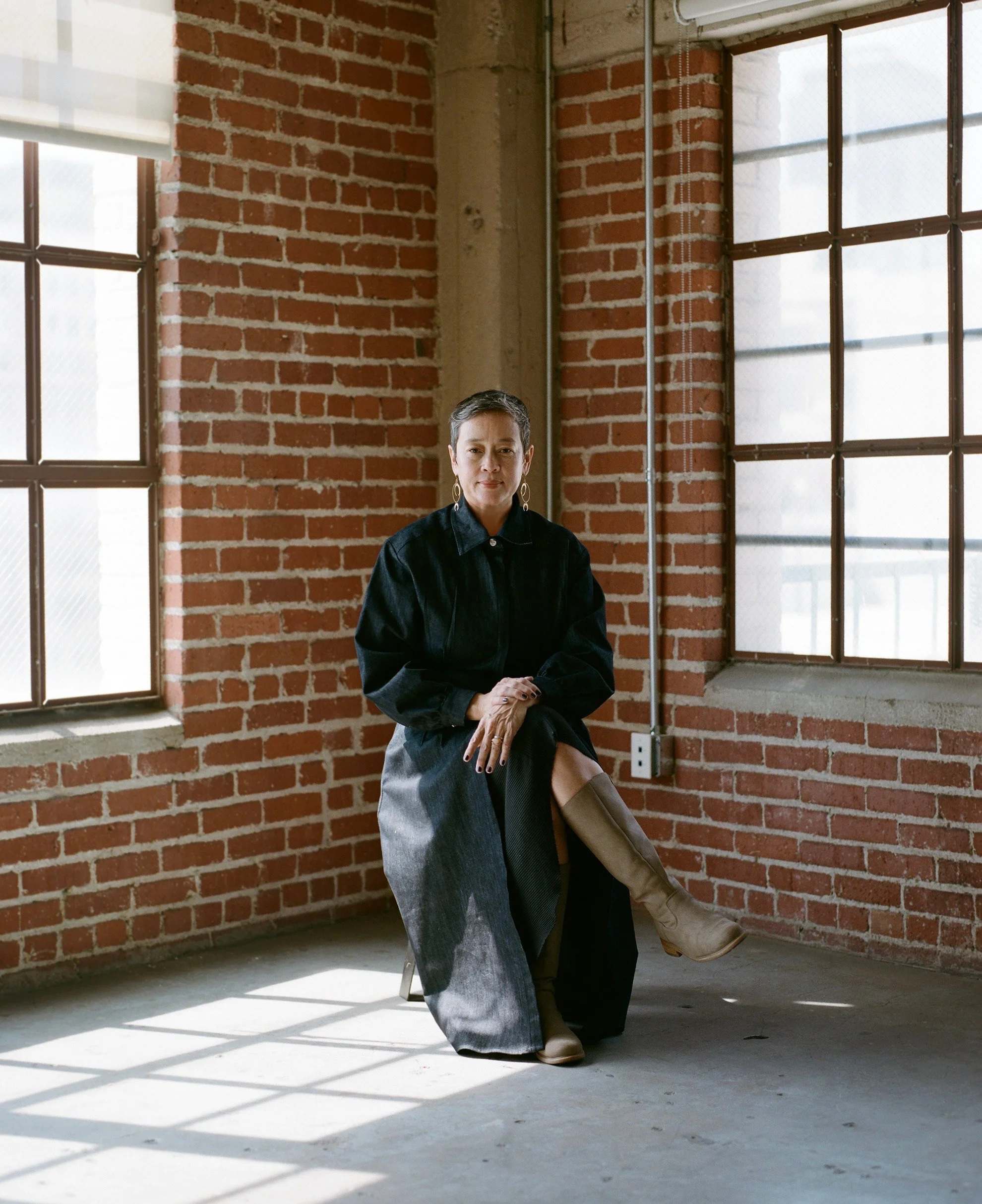
Michelle Matthews
FOUNDER & PRESIDENT
-

Jonathan Woodside
TREASURER
-

Camille Cimino
SECRETARY